Respawn Points and Reward Loops: How Your Local Mall Just Became a Video Game
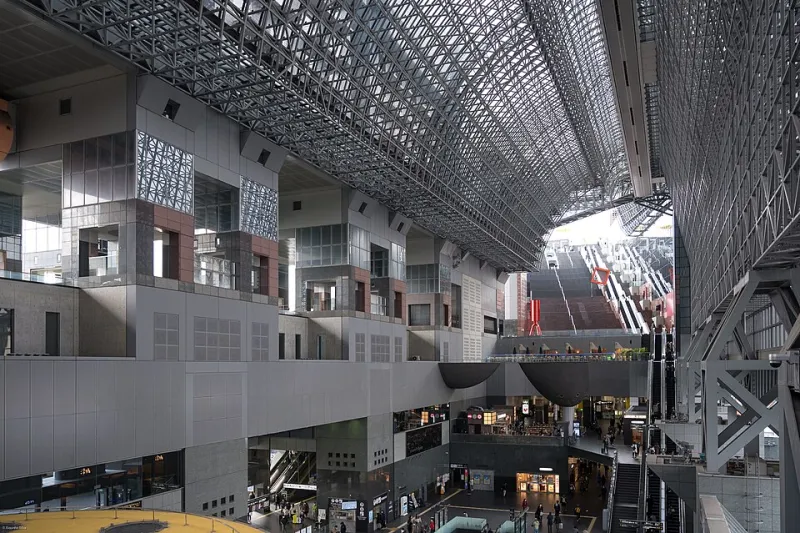
Photo: xiquinhosilva, CC BY 4.0, via Wikimedia Commons
Walk into a Hollister right now and you might notice something strange. The lighting is moody, the music is calibrated to a specific vibe, and there's a screen near the fitting rooms inviting you to scan a QR code for a "style unlock." It's not a game, technically. But it's also not not a game.
Retail is going through something of an identity crisis — and the fix it keeps reaching for looks a lot like a progression system.
The XP Bar Hidden in Your Loyalty App
Let's be real: loyalty programs have existed forever. Punch cards, miles, points — none of that is new. But what's happening right now in physical retail spaces across the US is a different kind of beast. Brands are actively restructuring the in-store experience around gaming mechanics, and they're not being subtle about it.
Nike's House of Innovation stores, for instance, have leaned hard into app-integrated experiences where visiting specific areas of the store, trying on certain products, or completing challenges unlocks digital badges and early access to drops. It's essentially an achievement system. You walk in as a regular shopper, and if you engage with the ecosystem, you level up.
Starbucks has been running a version of this for years with its Rewards program — "Stars" that accumulate like XP, seasonal challenges that mirror limited-time game events, and bonus point streaks that punish you for breaking the chain. Sound familiar? It should. That's literally how mobile games keep you logging in every day.
The difference now is that these mechanics are bleeding into the physical architecture of stores themselves, not just apps running in the background.
AR Fitting Rooms and the Loot Box Problem
Augmented reality has been "the future of retail" for about a decade, which is a nice way of saying it kept almost working. But something shifted recently. The hardware got lighter, the software got smarter, and — maybe most importantly — a generation of shoppers grew up playing games where trying on virtual gear before committing to it was just... normal.
Sephora's Virtual Artist feature, which lets you "try on" makeup through your phone camera, has been around for a while, but stores are now integrating similar AR tools directly into the physical retail space. Kiosks, smart mirrors, and app-triggered overlays let you see how a jacket looks in three colorways without touching a hanger. It's the cosmetic system from any major RPG, just applied to denim.
Where it gets genuinely interesting — and a little ethically murky — is when brands start attaching digital collectibles to physical purchases. Buy a pair of sneakers, unlock an exclusive digital skin for a game or a limited avatar item for a brand's virtual space. The shoe is real. The reward is virtual. The dopamine hit is identical.
That's not a coincidence. That's design.
The Quest Structure of the Modern Pop-Up
If regular retail is becoming more game-like, pop-up experiences are going full dungeon crawl.
Brands like Glossier, Supreme, and even less obvious players like Frito-Lay have run experiential pop-ups in recent years that are structured less like stores and more like guided experiences with stages, reveals, and collectible rewards at the end. You move through rooms. You encounter "challenges" (usually social media-based). You receive something — a limited item, a digital badge, a photo moment — that feels like clearing a level.
At a 2023 activation tied to a major sneaker drop in New York, attendees had to complete a series of location-based tasks across different areas of a pop-up space before they could even access the purchasing area. The "store" was literally gated behind gameplay. People waited hours. They loved it.
The psychology isn't complicated. Variable reward schedules, progress indicators, and social proof (watching others succeed before you) are core pillars of game design. They're also, it turns out, extremely effective at making people feel like a purchase is earned rather than just made.
Malls as Open World Zones
Zoom out a little and the mall itself starts to look like an open-world map.
Some shopping centers in the US are experimenting with location-based reward systems that treat the entire mall as a game board. Check in at five stores, get a digital stamp. Complete a "weekend quest" by visiting specific retailers, unlock a prize or discount. Simon Property Group and other major mall operators have piloted app-based scavenger hunts tied to seasonal events that are explicitly framed as games — complete with leaderboards.
It sounds gimmicky until you realize it works. Foot traffic data from malls running these programs shows measurable increases in dwell time and multi-store visits. Shoppers who engage with the game layer spend more time in the physical space and, predictably, more money.
For a retail sector that has spent the better part of fifteen years trying to figure out why people would bother leaving the house when Amazon exists, the answer might genuinely be: because Amazon can't give you a quest.
The Line Between Shopping and Playing Is Already Gone
Here's the thing that nobody in the retail industry wants to say too loudly: they're not borrowing from gaming culture. They're admitting that gaming culture already won.
The generation now entering its peak spending years grew up treating digital and physical rewards as interchangeable. They grind in games. They grind for limited drops. They collect digital items with the same energy their parents collected physical ones. The distinction between "real" and "virtual" value is not a philosophical question for them — it's just context.
Retailers who understand this aren't adding game mechanics as a marketing gimmick. They're restructuring the entire experience around the assumption that their customer already thinks like a player. The store is a zone. The purchase is a drop. The loyalty program is a progression system. The pop-up is a raid.
None of this is accidental, and none of it is going away.
Next time you're wandering through a mall and something feels weirdly compelling — like you need to check into one more store, or scan one more code, or see what's behind the next door — just know that someone spent a lot of time playing games to figure out exactly how to make you feel that way.
And honestly? Respect the design.