From Pixels to Pavement: How Gaming Aesthetics Are Taking Over the Way We Dress
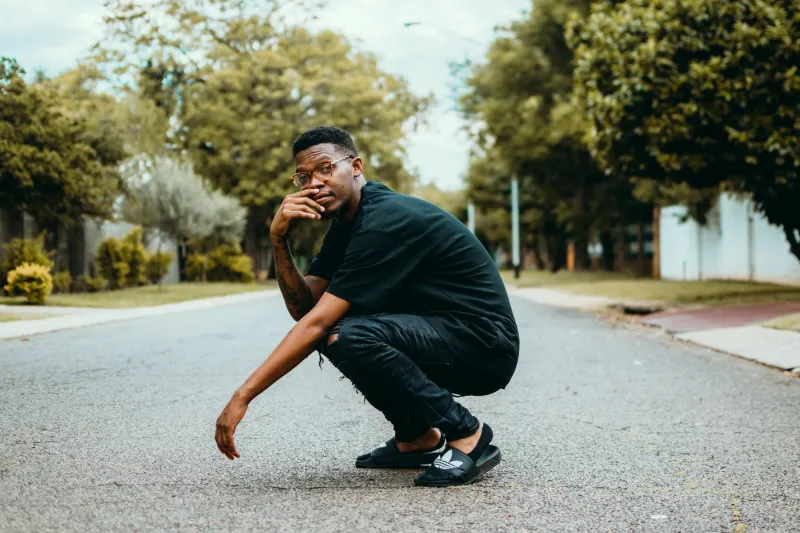
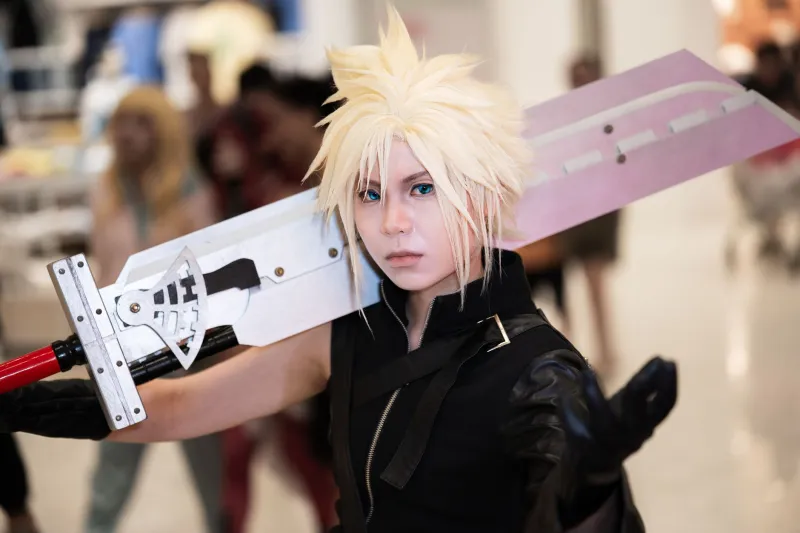
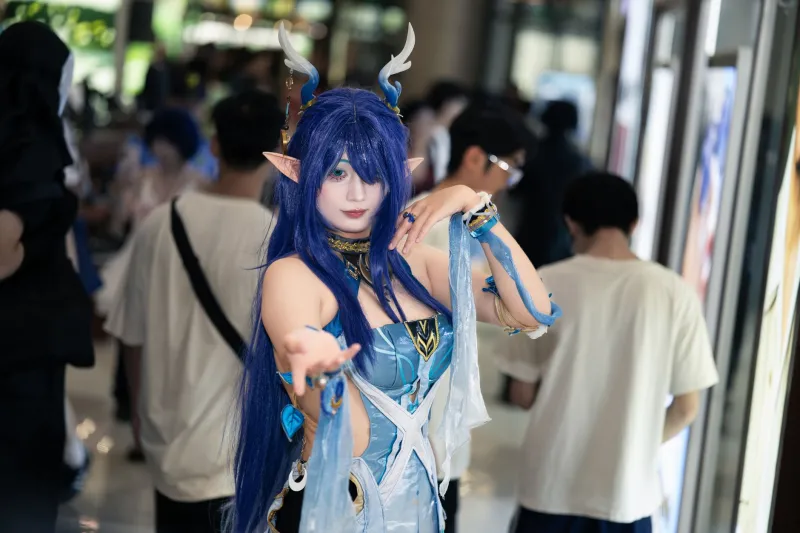
Not that long ago, rocking a Supreme drop or a fresh pair of Jordans was the fastest way to signal you understood what cool looked like. Streetwear was the language. Everyone spoke it. But scroll through any Gen Z fashion space right now — TikTok outfit threads, Instagram lookbooks, even the fits people are wearing to college classes — and something has shifted. The hoodies are still there, sure, but the graphics have changed. The color palettes feel different. And the references? They're coming straight out of the game.
Gaming aesthetics have crossed over before, but never quite like this. What's happening now isn't a trend. It's more like a takeover.
Why Streetwear Started Losing Its Edge
To understand why gaming fashion is filling a vacuum, you have to understand why streetwear started feeling a little stale. The hype cycle that made brands like Supreme and Off-White feel exclusive eventually became its own parody. When every fast-fashion retailer was selling "streetwear-inspired" pieces and resale bots were scooping limited drops before real fans could even load the page, the culture lost some of its authenticity signal. Wearing the right logo stopped meaning what it used to.
Gen Z, especially, has a finely tuned radar for when something has been over-commercialized. And a lot of them grew up spending more time customizing avatars and obsessing over in-game cosmetics than they did lining up for sneaker releases. Their reference points are different. So when they started building personal style, they didn't automatically reach for the same touchstones millennials did.
Luxury Brands Noticed First
The high-fashion world picked up on this shift faster than most people expected. Balenciaga's collaboration with Fortnite back in 2021 wasn't just a novelty collab — it was a genuine signal that luxury labels were treating gaming culture as a legitimate aesthetic source. The pieces weren't ironic. They weren't a cash grab dressed up as a meme. They were actual runway items that treated the game's visual language with the same seriousness a designer might give to, say, 1990s rave culture or Y2K nostalgia.
Louis Vuitton has done multiple League of Legends tie-ins. Gucci has gone deep into gaming partnerships. Even brands that feel more rooted in American prep and sportswear have started pulling from game-adjacent visual worlds — bold UI-style graphics, armor-inspired silhouettes, color blocking that looks like it belongs on a character select screen.
What these brands understood is that gaming isn't a subculture anymore. It's the dominant culture for an enormous slice of their target demographic. Designing for that world isn't a side project. It's survival.
The Indie Designers Actually Driving the Movement
Here's the thing about luxury brands: they're followers as much as they are leaders. By the time Balenciaga is doing a Fortnite collab, the real creative energy has already been building somewhere else. In this case, that somewhere else is a sprawling ecosystem of indie designers, small-batch studios, and Etsy-to-Shopify entrepreneurs who have been translating gaming aesthetics into wearable clothing for years.
These are designers who grew up playing the same games their customers did. They're not mining gaming culture from the outside — they're working from the inside. A designer who spent hundreds of hours in a game like Dark Souls or Final Fantasy XIV doesn't need a trend report to tell them what the visual language means. They feel it. And that authenticity comes through in the work.
Some of these small operations are doing genuinely impressive numbers. Apparel lines built around game-specific aesthetics — think dark fantasy armor translated into structured outerwear, or JRPG color palettes applied to everyday streetwear silhouettes — have quietly scaled into six-figure businesses. The customer base is loyal in a way that traditional fashion brands would kill for, because the connection isn't just aesthetic. It's personal. Wearing a piece that references your favorite game is closer to fan identity than it is to fashion consumption.
The Digital Identity Problem (And Opportunity)
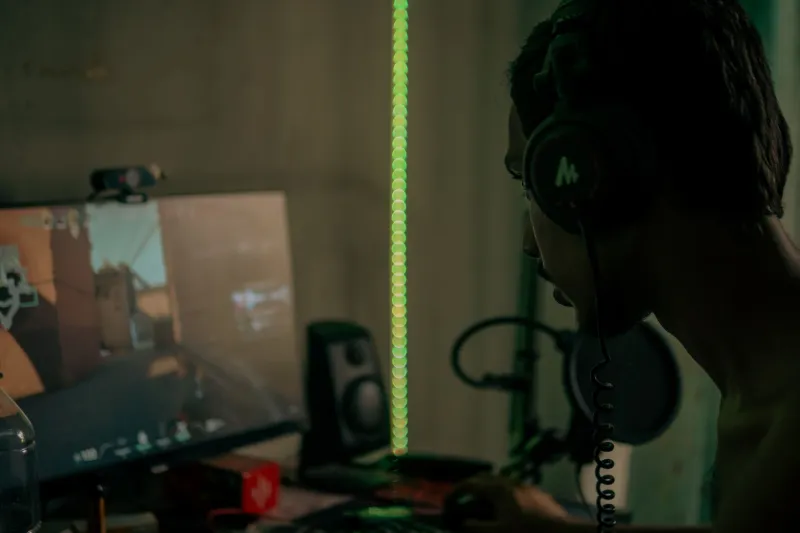
There's a deeper cultural current running under all of this. For a generation that has spent significant chunks of their social lives online, the gap between digital identity and physical identity has gotten a lot narrower. People care about how their characters look in games — sometimes obsessively. In-game cosmetics are a multi-billion dollar industry precisely because players want their digital selves to reflect something real about who they are.
It makes total sense, then, that when those same people get dressed in the morning, they're thinking in similar terms. Clothing becomes another layer of character customization. The question isn't just "does this look good" — it's "does this feel like me, the same way my avatar feels like me?"
That's a genuinely different relationship with fashion than previous generations had, and it creates space for a genuinely different kind of fashion to thrive.
What This Looks Like on the Ground
Walk through any major US college campus right now and you'll start seeing the signals. It's not always obvious — gaming-inspired fashion doesn't always announce itself with a controller graphic or a character name. Sometimes it's subtler. A jacket with a silhouette that reads more armor than bomber. A graphic tee with typography that looks like a game UI font. Color combinations that feel pulled from a fantasy world rather than a mood board.
The kids wearing this stuff aren't necessarily identifying it as "gaming fashion" when someone asks. It's just their style. Which is exactly the point. The aesthetic has absorbed into the broader visual vocabulary of how young Americans dress, the same way hip-hop aesthetics absorbed into mainstream streetwear decades ago.
Where It Goes From Here
Fashion cycles move fast, and it's always tempting to call a trend before it's actually peaked. But gaming aesthetics feel less like a trend and more like a permanent expansion of the fashion vocabulary. The cultural infrastructure is just too deep. Gaming is the biggest entertainment medium in the world. The communities built around specific games are some of the most passionate and identity-driven spaces online. The designers pulling from those worlds are only getting more sophisticated.
Streetswear isn't going anywhere — it'll evolve the way it always has. But it's going to have to share the throne. And the thing sitting next to it, wearing something that looks vaguely like it came from a character creation screen, is here to stay.