Stitches to Stacks: How Gamers Are Building Real Businesses Out of Cosplay
From Fan Project to Full-On Hustle
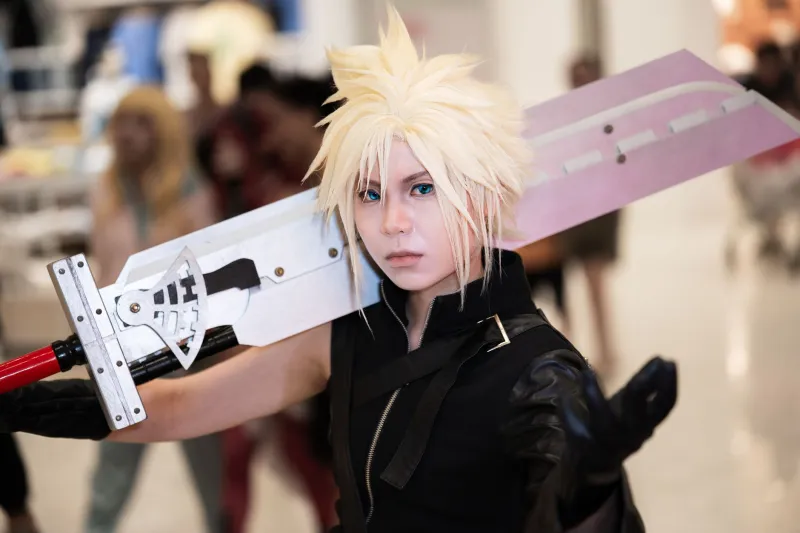
Not that long ago, showing up to PAX East or San Diego Comic-Con in a handmade set of Halo Spartan armor meant you were just really, really dedicated. Maybe a little obsessive. Definitely impressive. But nobody was calling it a business.
That's changed — fast.
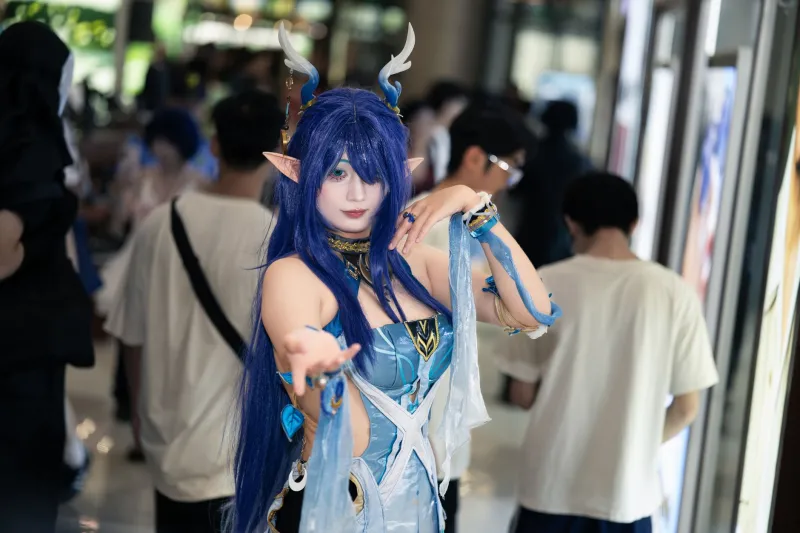
The cosplay economy has exploded in ways that would've seemed absurd a decade ago. What used to be a niche corner of gaming culture has turned into a genuine marketplace, with independent makers pulling in anywhere from a few hundred dollars a month to well into six figures annually. Platforms like Etsy, Patreon, and even TikTok Shop have handed crafters the infrastructure they needed to actually sell what they make — and a whole generation of gaming fans is cashing in.
The Numbers Don't Lie
Let's talk money for a second, because the figures are genuinely wild.
Etsy alone hosts tens of thousands of cosplay-related listings at any given time, ranging from $15 foam templates to fully custom armor sets priced at $1,500 or more. Sellers who've built a reputation — particularly those known for recreating pieces from popular game franchises like Elden Ring, Destiny 2, or The Legend of Zelda — can command premium prices and maintain waitlists that stretch months out.
Makers who've cracked the code on social media see the biggest returns. A skilled cosplayer with 100,000 followers on Instagram or YouTube isn't just selling costumes — they're selling tutorials, pattern packs, Patreon memberships, and affiliate deals with craft suppliers. Stack those revenue streams together and you've got something that looks a lot less like a side hustle and a lot more like a media company.
Meet the Makers
Take someone like a cosplayer operating out of a garage in the Pacific Northwest who started by making World of Warcraft armor for fun. After posting a build video that got picked up by a gaming subreddit, orders started rolling in. Within two years, they'd quit their day job. Their current waitlist for custom commissions is four months long, and they supplement that income with a Patreon offering behind-the-scenes build content to over 2,000 paying subscribers.
Or consider the growing number of cosplayers who've pivoted from making costumes to teaching others how to make them. Online courses covering EVA foam work, thermoplastics, and LED integration sell consistently on platforms like Teachable and Gumroad — and they generate passive income long after the initial recording is done.
The common thread? These aren't just talented crafters. They're entrepreneurs who figured out that the product was never just the costume — it was the community and the content around it.
Brand Deals: Gaming's Newest Influencer Pipeline
Here's where things get really interesting for anyone who grew up watching gaming culture expand into mainstream territory.
Brands — especially gaming brands — have figured out that professional cosplayers carry serious influence with exactly the audiences they're trying to reach. Sponsorship deals with companies like Razer, HyperX, or even game publishers themselves are increasingly common for cosplayers with significant followings. Convention appearance fees add another layer, with high-profile makers getting paid to show up, walk the floor, and participate in panels.
This mirrors what happened with gaming streamers a few years back, when Twitch turned hobbyists into marketing channels almost overnight. Cosplay is following the same arc, just with slightly more hot glue and slightly fewer rage quits.
For gaming-adjacent brands, the appeal is obvious. A cosplayer who's built a $1,200 recreation of a character from your game and has the photos to prove it? That's authentic marketing that no ad agency could replicate.
So You Want In? Here's the Honest Breakdown
If this is starting to sound like something you want a piece of, here's the reality check that most "how to make money cosplaying" articles skip over.
Start with craft, not clout. The makers who've built sustainable businesses got there because they're genuinely skilled. Before you think about Etsy listings or brand deals, put in the reps. Build things. Fail at them. Build better ones. The portfolio you develop during that phase is the foundation everything else sits on.
Document everything. The build process is content. Every foam cut, every paint layer, every mistake and fix — that's your social media strategy. You don't need to be a filmmaker; a decent phone camera and decent lighting will do the job. Consistency matters more than production value when you're starting out.
Pick a niche and own it. Trying to cosplay every game under the sun is a fast track to burnout and a scattered audience. The makers who break through tend to be known for something — maybe it's hyper-accurate Souls-series builds, or maybe it's accessible budget cosplays that anyone can replicate. Find your lane.
Treat it like a business from day one. That means tracking income and expenses, understanding self-employment taxes (yes, the IRS cares about your Etsy shop), and setting prices that actually reflect your labor. Undercharging is the number-one mistake new makers make, and it's a hard habit to break once you've set expectations with your audience.
The Bigger Picture
What's happening in the cosplay economy isn't separate from gaming culture — it is gaming culture, just expressed through a different medium. The same passion that drives someone to grind through a 100-hour RPG or optimize a build for ranked play is driving people to spend 200 hours recreating a suit of in-game armor.
And now, for the first time, that passion has a real economic infrastructure behind it. Platforms exist to sell. Audiences exist to buy. Brands exist to sponsor. The pipeline from fan to professional has never been more navigable.
Whether you're a crafter eyeing your first Etsy listing or just someone who's been quietly impressed by the builds you see at conventions every year, the cosplay economy is worth paying attention to. It's one of the clearest examples of gaming culture creating something genuinely new — and genuinely lucrative — in the real world.
And honestly? That's pretty cool.