Surprise Mechanics IRL: How Brands Stole the Loot Box Playbook and Aimed It at Your Wallet
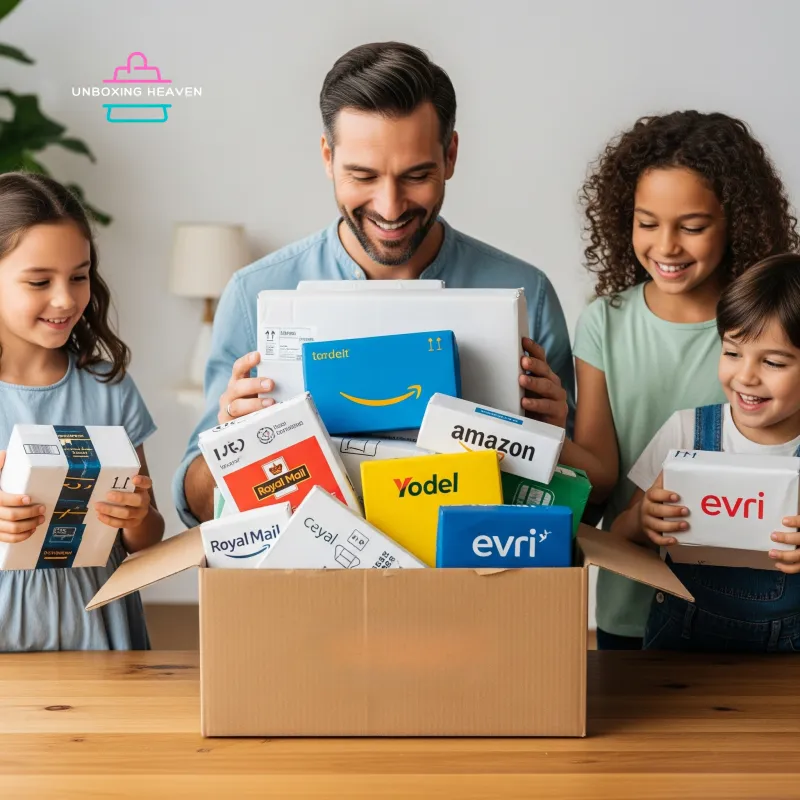
Photo: mystery box shopping subscription unboxing retail consumer, via unboxingheaven.com
If you've ever cracked open a loot box in Overwatch, dumped currency into a gacha pull in Genshin Impact, or sat through the agonizing spin of a battle pass reward reel, you already understand the mechanics. The anticipation. The dopamine spike. The mild disappointment followed immediately by the urge to try again. It's a loop so finely tuned it borders on predatory — and somewhere along the way, the retail industry noticed it was working.
Because here's the thing: that same psychological architecture is now running your favorite brands. Mystery subscription boxes, limited-time product drops, algorithmic "just for you" personalization, loyalty point systems with randomized bonuses — this isn't innovation. It's a port. The gaming industry built the engine, and consumer brands are just running it on different hardware.
The Gacha System Has Logged Into Real Life
Gacha mechanics — the term comes from Japanese vending machine capsule toys — work on a simple but brutally effective premise: you pay for a chance at something desirable, not the thing itself. Rare items exist to create aspiration. Common items exist to keep you pulling. The math is always tilted against you, and the house always wins.
Now look at what companies like FabFitFun, Loot Crate, or even Sephora's Play! subscription are actually selling. You pay a flat fee. You receive a curated mystery assortment. You don't know exactly what's inside until it arrives. Sound familiar? The structure is identical — right down to the way unboxing content on YouTube mirrors streamers opening in-game packs, complete with audience reactions and the performative thrill of the reveal.
Even sneaker culture has fully embraced this model. Nike's SNKRS app operates on a raffle-plus-drop system that keeps collectors refreshing their phones like they're farming a rare spawn. You enter, you wait, you either win or you get the digital equivalent of a gray-rarity duplicate. The scarcity is often manufactured. The anxiety is entirely real.
Limited-Time Drops Are Just Battle Pass FOMO With a Price Tag
Anyone who's played a live-service game knows the pressure of a limited-time event. Miss the seasonal skin, and it's gone — sometimes forever. That artificial urgency is one of the most effective psychological levers ever designed into a product, and retail brands have been running the same play for years now.
Supreme built an entire brand identity around weekly drops. Pokémon card restocks at Target cause literal stampedes. McDonald's brings back the McRib with the energy of a legacy raid returning to the rotation. These aren't accidents or supply chain quirks — they're engineered scarcity, and they work because your brain processes "limited time" as a threat, not an opportunity.
The gaming industry figured this out first. Fortnite's rotating item shop, seasonal content windows, and battle pass expiration dates weren't just monetization tools — they were behavioral conditioning. Brands absorbed that lesson and applied it at scale. When a streetwear label drops 200 units of a hoodie and sells out in four minutes, they're not failing to meet demand. They're manufacturing the exact emotional response that makes you come back next drop, and the one after that.
Algorithmic Personalization Is the New RNG
Here's where it gets genuinely unsettling. Loot boxes rely on randomness — or the appearance of randomness — to keep players engaged. But modern retail has moved past randomness into something more sophisticated: personalized randomness. Your data tells the algorithm what you want, and the algorithm surfaces products in an order and at a price point engineered specifically to convert you.
Amazon's recommendation engine, TikTok Shop's For You feed, Spotify's Discover Weekly — these systems aren't showing you things at random. They're showing you things calculated to feel like a discovery, like you stumbled onto exactly what you needed. It mimics the best-case loot box outcome: the pull that feels meant for you. Except instead of RNG, it's a model trained on your behavior, your history, and millions of people who shop like you.
The result is a retail experience that never feels like browsing. It feels like the store already knows you. And that feeling — that sense of being seen — is deeply effective at lowering your resistance to spending.
Loyalty Programs Are Basically Reward Loops With Worse Drop Rates
Points. Tiers. Exclusive member benefits. Early access. If any of that sounds like a progression system, that's because it is one. Starbucks Rewards, Sephora's Beauty Insider, Delta SkyMiles — these programs are mechanically indistinguishable from an RPG leveling system. You complete actions (purchases), earn currency (points), and unlock rewards that motivate further engagement.
The genius — and the manipulation — is in the variable reward schedule. Sometimes you get a free drink. Sometimes you get a bonus multiplier. Sometimes you spin a digital wheel and win a small discount. The inconsistency isn't a flaw; it's the feature. Variable rewards are more addictive than predictable ones. That's not a marketing opinion — it's a well-documented psychological principle that slot machines, gacha games, and your local coffee chain's app are all exploiting simultaneously.
So What Do You Actually Do With This?
Knowing the mechanic doesn't automatically break the spell — if it did, nobody would spend money on loot boxes after the first time they got burned. But awareness does create friction, and friction is useful.
When you feel the pull of a mystery box subscription, ask yourself: am I buying a product, or am I buying the feeling of opening something? When a limited drop creates that spike of urgency in your chest, recognize it for what it is — a manufactured response to manufactured scarcity. When your app's "recommended for you" section feels eerily accurate, remember that it's not magic. It's a model that profits from your clicks.
Gaming communities have been wrestling with these mechanics for years. There are entire subreddits, YouTube channels, and Discord servers dedicated to identifying predatory monetization and pushing back against it. That critical literacy — the ability to see a system and name what it's doing — is exactly the skill set that translates to smarter consumer behavior in the real world.
The loot box economy didn't stay in the game. It leveled up, changed its skin, and respawned in your inbox, your shopping cart, and your loyalty app. The question is whether you're playing the game — or the game is playing you.